Department of Molecular Nutritional Science

Research

  • Nutritional modulation of the environment in the reproductive tract
  • Nutrition-induced metabolic programming of offspring
  • Metabolic functionality of lipocalins
  • Conventional and alternative protein sources in human nutrition
  • Tissue-specific transport and functionality of bioactive fatty acids
  • Molecular characterization of adipose tissue and preadipocytes


    Department of Molecular Nutritional Science (140a)

    Garbenstraße 30
    Room 150 (Secretary)
    70599 Stuttgart

    Postal address:
    University of Hohenheim
    Dept. of Molecular Nutritional Science (140a)
    70593 Stuttgart

    +49 (0)711 459 24113
    Email

    Current Research Projects (selection)

    The Importance of Ruminant Nutrition for the Health-Based Assessment of Red Meat

    Consumption of red meat has been associated in many studies with health risks such as cardiovascular disease, diabetes, and cancer. However, these associations often overlook the fact that the composition of red meat can be substantially altered by the feeding regimen of ruminants. In particular, grassland-based, biodiverse feed has been shown to increase the content of omega-3 fatty acids and antioxidant compounds in meat, which might help to mitigate potential adverse health effects.

    Against this background, the project investigates whether, and to what extent, different feeding strategies influence the health effects of red meat. In a mouse model, meat from conventionally and grassland-based fed cattle and lambs will be compared with white meat. The focus is on effects on metabolism, gut health, the microbiome, inflammatory processes, and antioxidant status. The aim is to better understand whether and how the health effects of red meat can be modified through targeted feed interventions.


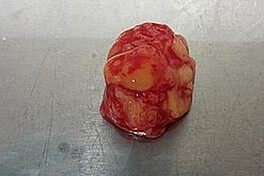
    Spinal Lipomatosis - Characterization of adipose tissue with regard to its production of inflammatory mediators in patients with and without metabolic syndrome.


    Spinal epidural lipomatosis (SEL) results from excessive fat accumulation within the spinal canal and can cause back pain, sensory disturbances, and even paraplegia. Since obesity and metabolic syndrome are considered potential risk factors, this project aims to investigate the inflammatory activity of epidural adipose tissue in obese and normal-weight patients, as well as in patients with and without metabolic syndrome. For this purpose, epidural and subcutaneous adipose tissue samples will be collected during routine spinal surgeries, analyzed for their inflammatory profiles, and compared with one another. The aim is to better understand the role of epidural adipose tissue in the development and severity of SEL and to identify potential new therapeutic approaches.


    in Cooperation with 

    Dr. Petra Büchin 


    Modulation of the follicular fluid metabolome via diets rich in bioactive compounds to improve oocyte quality and support female fertility – a cross-species study in women and dairy cows

    Infertility is increasing in both women and high-yielding dairy cows, two biologically comparable systems that show similar declines in oocyte quality with age. Despite advances in assisted reproductive technologies, success rates remain limited, highlighting the need for non-invasive strategies to improve oocyte competence. Nutrition, particularly the intake of bioactive compounds, represents a promising yet underexplored avenue to support reproductive health.

    This project investigates how diets rich in polyphenols and omega-3 fatty acids, key components of the Mediterranean diet, influence the metabolic environment of the ovarian follicle and may thereby enhance oocyte quality and early embryo development. By combining studies in women and dairy cows, we take a unique cross-species approach to identify shared metabolic pathways and biomarkers linked to improved fertility. The ultimate goal is to develop evidence-based nutritional strategies that support reproductive success, reduce the need for repeated fertility treatments, and improve both women’s and livestock health.


    in Cooperation with 

    Prof. Dr. Yael Heifetz


    Biobank: Human tissue samples

    In the search for the causes of complex diseases, samples and data from biobanks are an enormously important resource. We are therefore dedicated to establishing and expanding a scientific collection of human adipose tissue samples (subcutaneous and visceral) as well as culturable preadipocytes derived from them for biomedical research purposes. A particular strength of the biobank is that it includes samples from obese patients as well as samples from the same patients after substantial weight loss following bariatric surgery. 

    The biobank makes it possible to link information obtained from scientific analyses of these samples with phenotypic information and clinical follow-up data. In this way, it can make a substantial contribution to the development of new preventive measures, diagnostic procedures, and therapies. 

    Team Dr. Raggi


    in Cooperation with

    Dr. med. Matthias Raggi


    Adipositaszentrum Stuttgart

    Teaching

    The courses listed below are offered by the Department of Molecular Nutrition. The department also contributes to other courses. Please refer to the course catalogue for further details.


    In the Bachelor's degree program, the department represents the field of general nutritional science in teaching. The Master's modules focus on nutrition-related molecular mechanisms, the influence and mode of action of genetic, nutritional and lifestyle-related risk factors for nutrition-related diseases, as well as the teaching of methodological skills to investigate issues in this field.

    Find our courses in the Course catalog via HohCampus. Follow the folder structure:

    • Faculty of Natural Sciences
    • Nutritional Sciences (140)
    • Department of Molecular Nutritional Science (140a)
    Topics for Bachelor's and Master's Theses

    The department offers Bachelor's and Master's theses on the research topics listed above. We are also happy to consider students' own topics as far as possible.

    Master's theses are always experimental. Bachelor's theses are mainly assigned as literature theses. A limited number of experimental Bachelor's theses are also offered each semester.

    Please make an appointment to discuss your ideas with:

    Publications

    The scientific publication of the Department of Molecular Nutritional Science (140a) can be found at the link below.
    Publication